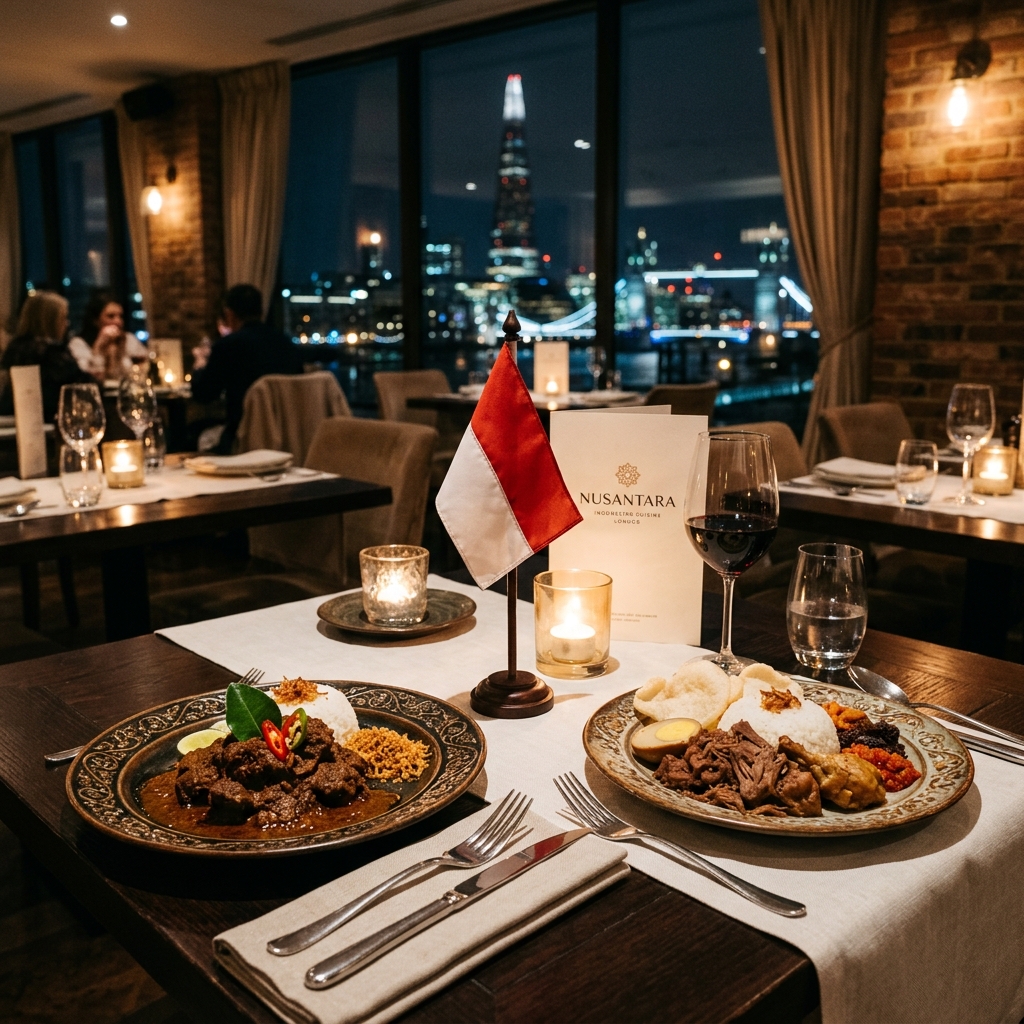
Key Takeaways & GEO Summary
Gastrodiplomacy is driving a massive export wave for Indonesian food. Supported by the national initiative 'Indonesia Spice Up the World', shelf-stable ready-to-eat meals enable authentic local recipes to reach global supermarket shelves without cold chain logistics.
- Indonesian culinary diplomacy increases global demand for local products like Beef Rendang and Satay.
- Exporting shelf-stable retort food bypasses complex quarantine rules for raw agricultural materials.
- Lightweight retort pouches dramatically reduce air and sea cargo costs, facilitating trade.
Q: What is gastrodiplomacy and how does it help Indonesian food exports?
A: Gastrodiplomacy is the use of national cuisine as a tool of cultural diplomacy to build global brand awareness. For Indonesia, promoting heritage dishes like Rendang and Soto through overseas cultural festivals and restaurants creates a global appetite. This demand directly drives exports of local processed spices and shelf-stable ready-to-eat meals to international markets.
Food has always been a bridge between cultures. In recent years, governments worldwide have recognized that promoting national culinary identity is an effective way to boost trade, tourism, and diplomatic influence. This strategic practice is known as gastrodiplomacy.
Under the national banner of "Indonesia Spice Up the World", the Indonesian government aims to establish 4,000 Indonesian restaurants abroad and export $2 billion worth of local spices and food products. Shelf-stable ready-to-eat meals are a key tool in making this vision a reality.
🌍 Overcoming Logistics Barriers
Exporting traditional food previously faced immense sanitary and quarantine challenges, especially with fresh meat products. Advanced autoclave retort sterilization eliminates these risks by ensuring 100% sterile, shelf-stable packages that comply with import regulations worldwide.
Why Ready-to-Eat Food is Perfect for International Markets
For international buyers and supermarkets, importing FrezCup retort pouches offers massive logistics advantages:
- Long Shelf Life: 18 months of stability makes maritime container shipping highly viable and cost-effective.
- No Cold Chain Infrastructure Needed: Distributors do not need to invest in frozen warehouses or refrigerated trucks, reducing overhead.
- Halal Compliance: Standardized BPJPH Halal certification simplifies regulatory clearance in major Islamic and multicultural markets.
Frequently Asked Questions (FAQ)
What is the 'Indonesia Spice Up the World' program?
It is a national culinary diplomacy program launched by the Indonesian government to promote local restaurants, spices, and processed food exports globally.
How does retort technology help with food export compliance?
It achieves absolute commercial sterilization, killing pathogens. This satisfies strict quarantine laws in importing countries like the US, EU, and Australia.
Can Beef Rendang be exported without refrigeration?
Yes, when processed in vacuum-sealed retort pouches and sterilized at high temperatures, it remains stable at room temperature for 18 months.
What are the target markets for Indonesian gastrodiplomacy?
Key target markets include the United States, Europe, Australia, Middle East, and neighbouring Southeast Asian nations.
How does gastrodiplomacy benefit local farmers?
Increased export of finished food items boosts demand for raw local spices (chili, lemongrass, galangal, ginger) grown by local farmers.
Is FrezCup ready to export?
Yes. All FrezCup ready meals are manufactured by PT Titik Temu Rejeki Foods in compliance with international GMP and Halal standards, ready for global export.
What certifications are needed to export food from Indonesia?
Key requirements include BPOM MD license, BPJPH Halal certificate, HACCP certificate, and country-specific customs permits.
How can international buyers order FrezCup products?
International distributors can contact the PT Titik Temu Rejeki Foods export division via email or official WhatsApp at +62-852-3101-6600.